
“It turns out the idea of living dead—depending how you define both “living” and “dead”—may not be as far-fetched as it might seem. Some science fiction writers have found inspiration—and trepidation—in real-life parasites. We talked to two of them, Mira Grant and M.R. Carey, about their newest books and the concept of scientific zombies.
…Carey searched for a pathogen that met his criteria for the cause of the hungry epidemic, and realized that Cordyceps fit perfectly. It was also a unique choice. “At the time nobody had ever used a fungus as the vector for a zombie plague,” he says, though the creators of a console game called The Last of Us came up with the same idea independently, around the same time.
… Besides reading, Grant also “spent a lot of time on the phone with the CDC, which was an incredible amount of fun.” Grant savored the information she gleaned that way, but her friends “had to make new rules about what I was allowed to discuss over food,” so they didn’t lose their appetites.”
— excerpts from Omnivorcious interview of “Mira Grant” and M.R. Carey in “The Scientific Case for Zombies”. thanks to File 770’s Pixel Scroll
 A 4K restoration of the 1997 cult sci-fi epic will hit cinemas from June-September as part of the 20th anniversary celebration of Luc Besson’s masterpiece.
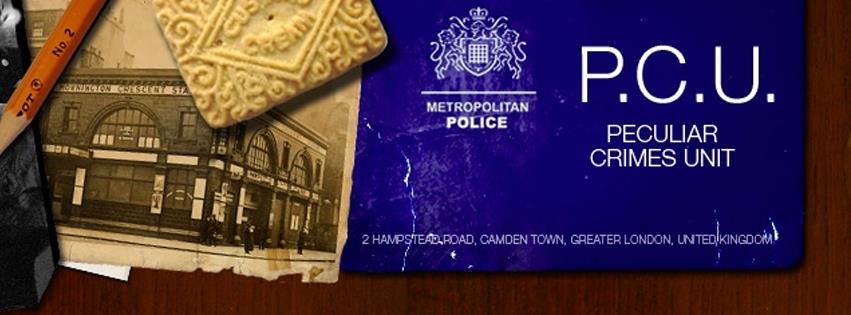 Arthur Bryant and John May are Golden Age Detectives in a modern world. They head the Peculiar Crimes Unit, London’s most venerable specialist police team, a division founded during the Second World War to investigate cases that could cause national scandal or public unrest. Originally based above a London tube station, the technophobic, irascible Bryant and smooth-talking modernist John May head a team of equally unusual misfits who are just as likely to commit crimes as solve them.




 Jupiter has giant storms and cyclones.


You must be logged in to post a comment.