The finalists for the Los Angeles Times Book Prizes were announced—the rare prize that includes a science fiction, fantasy, and speculative fiction category. The SFF finalists are:
Tananarive Due, The Reformatory: A Novel
Daniel Kraus, Whalefall
Victor LaValle, Lone Women: A Novel
V. E. Schwab, The Fragile Threads of Power
E. Lily Yu, Jewel Box: Stories
This year’s judges are Maurice Broaddus (author of Sweep of Stars), Craig Laurance Gidney (author of Sea, Swallow Me & Other Stories), and Lucy A. Snyder (author of Sister, Maiden, Monster).
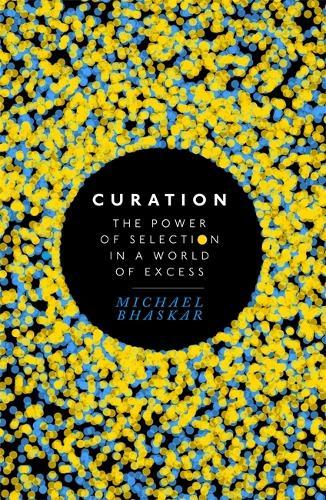
curation: The process of selecting, organising, and looking after the items in a collection. Formerly the domain of art galleries, the concept of “curating a collection” is now overused, and often in contexts bordering on the ridiculous (head online for pics of “curated salads’, “curated dog experiences” etc, etc). But it is still a hugely important practice to help navigate a meaningful path through the ever-increasing amount of stuff — both high quality and rotten — out there.
This presentation will specifically reference the book “Curation: The Power of Selection in a World of Excess” by Michael Bhaskar
Kate Treloar will do an introductory overview (15mins) then throw it open to discussion. We will look at issues facing those looking to make meaningful selections (in general and with specific reference to SF) and how this has changed over time.
Those attending might wish to consider:
– how you choose what to read/watch/download/listen to
– how this compares to decades past
– whose recommendations you trust
– is more choice a good thing?
– the role of AI in making choices in the future
Critical Mass at kappy’s tea & coffee merchant, 1/22 Compton St, Adelaide.
Wednesday Feb 28th, 6:30pm Adelaide, 7pm Melbourne/Sydney
The Tor.com site has now become Reactor (www.reactormag.com) on January 23, 2024, — with the launch of a completely redesigned website.
Since its founding in 2008, Tor.com has become a leader in coverage of science fiction and fantasy books and popular culture, with over 3 million visits per month. As an online magazine, Tor.com has won countless awards and has been the Locus Award winner for Best Magazine for 7 years running. In addition to its coverage of all things SFF, the site is also home to an award-winning short fiction program, which has published works by Seanan McGuire, E. Lily Yu, N.K. Jemisin, and scores of first-time authors, and which have gone on to win several Hugo Awards, Nebula Awards, and World Fantasy Awards.
Devi Pillai, President and Publisher of Tor Publishing Group, remarked, “I am very excited to introduce Reactor to the world! We have always been the place to come to for science fiction and fantasy—but with a new name, a new design, we are going to have a magazine that will be more of a pop culture hub for people who love genre of all types. We want to expand the audience and the community that Tor.com has built over the past 15 years.”
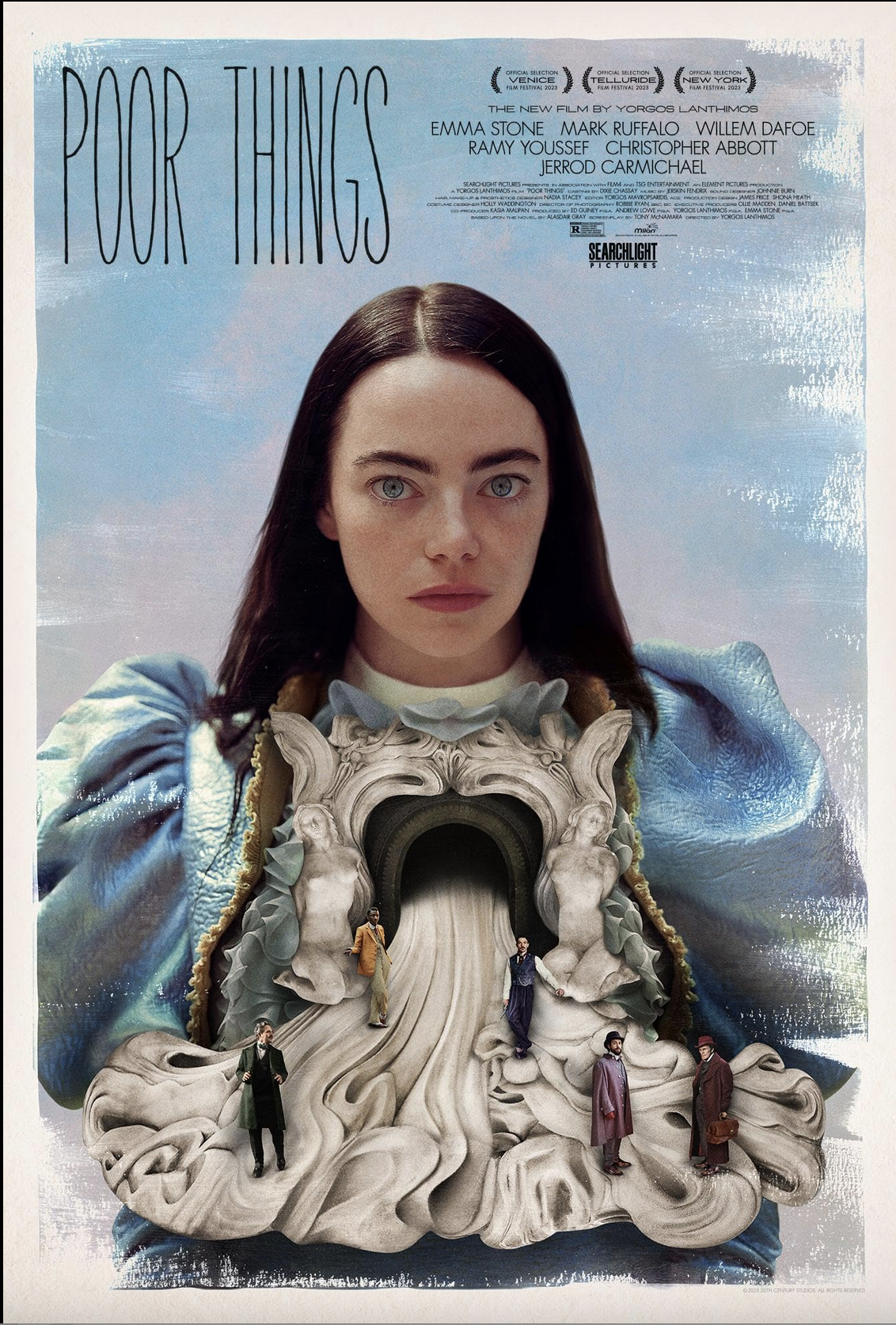
From filmmaker Yorgos Lanthimos and producer Emma Stone comes the incredible tale and fantastical evolution of Bella Baxter (Stone), a young woman brought back to life by the brilliant and unorthodox scientist Dr. Godwin Baxter (Willem Dafoe). Under Baxter’s protection, Bella is eager to learn. Hungry for the worldliness she is lacking, Bella runs off with Duncan Wedderburn (Mark Ruffalo), a slick and debauched lawyer, on a whirlwind adventure across the continents. Free from the prejudices of her times, Bella grows steadfast in her purpose to stand for equality and liberation. Based on the book by Alasdair Gray, the screenplay was written by Tony McNamara, making this the second collaboration between Lanthimos and McNamara (THE FAVOURITE). The movie was produced by Ed Guiney, Andrew Lowe, Yorgos Lanthimos, and Emma Stone.
This film is an interesting variant on Frankenstein, but this time the monster is female (Emma Stone) with a child’s brain in an adult body. Beautifully filmed by Lanthimos in colour and black and white, set in a turn of the century steampunk world. Bella doesn’t hide her enjoyment of sex, and is happy to demand her fair share… A very interesting revamp of the Frankenstein story, well worth catching on the big screen.
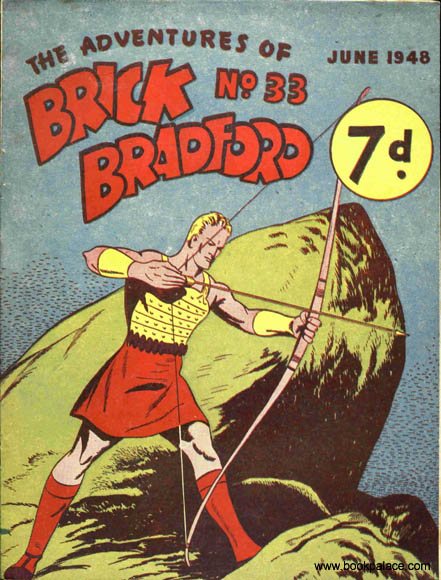
“Brick Bradford is a science fiction comic strip created by writer William Ritt, a journalist based in Cleveland, and artist Clarence Gray. It was first distributed on August 21, 1933 by Central Press Association, a subsidiary of King Features Syndicate which specialized in producing material for small-town newspapers. The strip ended in 1987.
“Brick Bradford achieved its greatest popularity outside the United States. The series was carried by both newspapers and comic books in Australia and New Zealand.
“In France the strip was known as Luc Bradefer (“Luke Ironarm”) and was published in many newspapers. The strip was also widely published in Italy where it was known variously as Giorgio Ventura and Marco Spada and in Greece in the newspaper Ethnos (as Princess Palona) during the 1960s.
“Brick Bradford was an athletic and adventurous redheaded (later blond) aviator from Kentucky who continually encountered fantastic situations. … As the strip developed, Brick Bradford increasingly featured fantastic elements in the manner of Buck Rogers and Flash Gordon.
“Ritt was an admirer of science fiction writers H. G. Wells, EdgarRiceBurroughs and AbrahamMerritt, and drew on some of their ideas when writing Brick Bradford. Brick Bradford now became more of a space opera/adventure story, with its tales of dinosaurs, lost civilizations, intergalactic villains, robots and subatomic worlds.” [Wikipedia]
Face to face : You are invited to an in-person Nova Mob meeting at: Wednesday 7 February 2024, 8.00pm – 9.15pm or so, first floor Conference Room Kensington Town Hall, 30 – 34 Bellair St, Kensington Melbourne VIC 3031
For Doctor Who-lovers they are the missing crown jewels: lost episodes of the first series of the TV sci-fi drama, shown in the 1960s. But now film recordings of not just one, but two of the early BBC adventures, both featuring the first doctor, William Hartnell, has been found in Britain by amateur sleuths.
The episodes, one featuring the Daleks, would offer viewers a chance to travel back in time without the use of a Tardis. But the Observer has learned that the owners of the rare, rediscovered footage are not prepared to hand it over to the BBC, even as the clock ticks down to the 60th anniversary of the show’s launch this month.
Veteran film collector John Franklin believes the answer is for the BBC to announce an immediate general amnesty on missing film footage.
Seven episodes from 1963 have been colourised and woven together into a 75-minute long monster show, The Daleks in Colour, which will be shown on BBC Four on 23 November.
I feel like studios keep learning the same lesson over and over again: shared universes are great for movies, under the right circumstances—but they tend to drag TV shows down a bit, over time. And a TV show that exists in the same universe as movies will always be secondary at best to the bigger budget, higher-stakes films. At worst, TV shows that tie in with movies will tend to become glorified bonus material for fans of the film franchise.
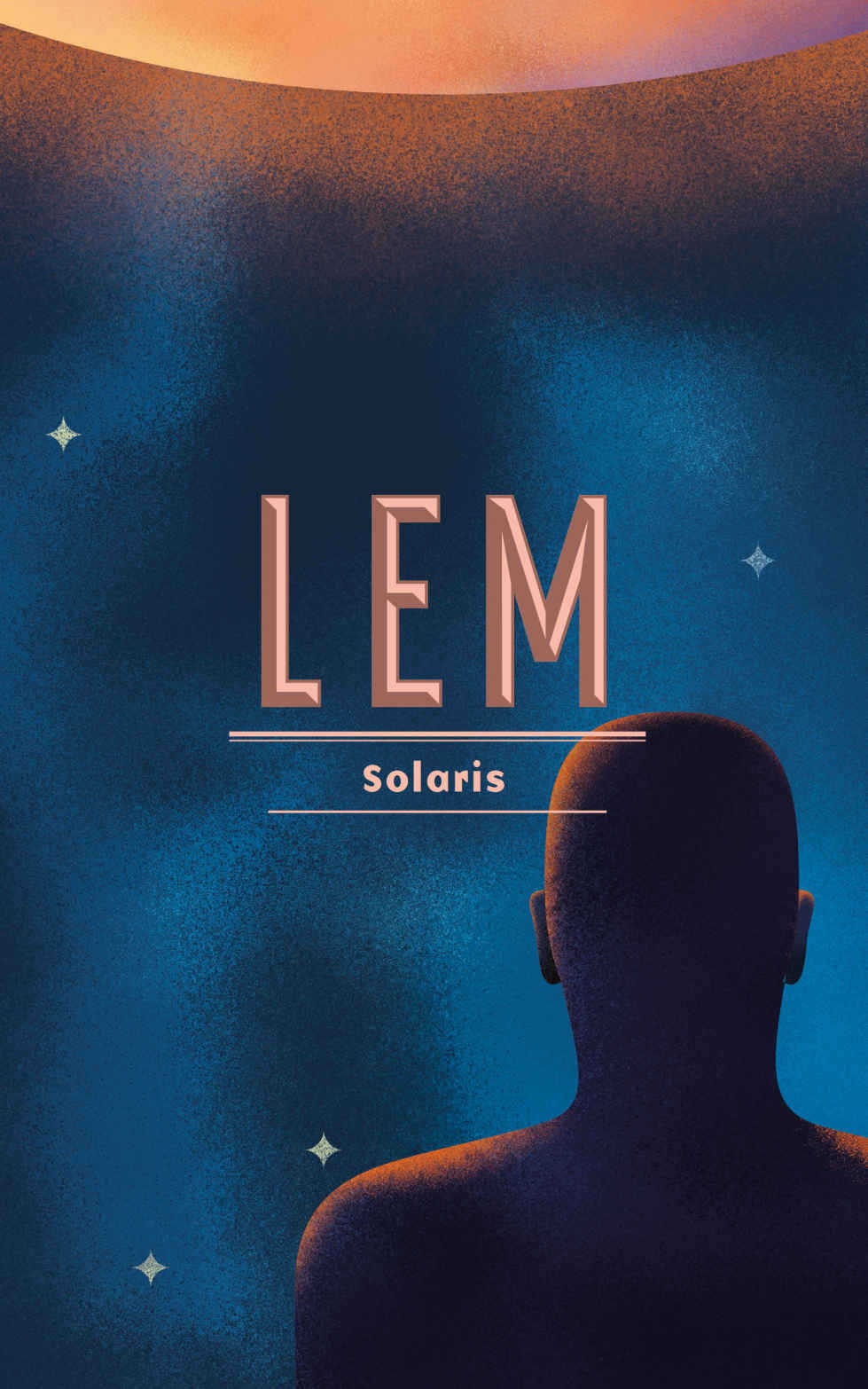
Jeff Harris will be discoursing on the topic. It is recommended persons attending Critical Mass re-read or read for the first time, Lem’s Solaris. A pleasure not to be missed.
English translation
Various translations of Solaris, including the English one
Murray notes the comments in wikipedia:
“Both the original Polish version of the novel (published in 1961) and its English translation are titled Solaris. Jean-Michel Jasiensko published his French translation in 1964 and that version was the basis of Joanna Kilmartin and Steve Cox’s English translation (Walker and Company, 1970; Faber and Faber, 1971).[8] Lem, who read English fluently, repeatedly voiced his disappointment with the Kilmartin–Cox version.[9]
In 2011, Bill Johnston completed an English translation from the Polish. Lem’s wife and son reviewed this version more favorably: “We are very content with Professor Johnston’s work, that seems to have captured the spirit of the original.”[10] It was released as an audio book and later in an Amazon Kindle edition (2014, ISBN978-83-63471-41-5). Legal issues have prevented this translation from appearing in print.[10]“
November 22nd, 6:15 for a 6:30 start at Christie Walk Common Room, 101 Sturt Sttreet
Zoom details: Nov 22, 2023 6:30pm Adelaide; 7pm Melbourne & Sydney; 8am London
Everyone’s favourite lethal SecUnit is back in System Collapse, the next installment in Martha Wells’ Murderbot Diaries series—out from Tordotcom Publishing on November 14th.
Following the events in Network Effect, the Barish-Estranza corporation has sent rescue ships to a newly-colonized planet in peril, as well as additional SecUnits. But if there’s an ethical corporation out there, Murderbot has yet to find it, and if Barish-Estranza can’t have the planet, they’re sure as hell not leaving without something. If that something just happens to be an entire colony of humans, well, a free workforce is a decent runner-up prize.
But there’s something wrong with Murderbot; it isn’t running within normal operational parameters. ART’s crew and the humans from Preservation are doing everything they can to protect the colonists, but with Barish-Estranza’s SecUnit-heavy persuasion teams, they’re going to have to hope Murderbot figures out what’s wrong with itself, and fast!
You must be logged in to post a comment.